


 ADD TO CART


















| was: | |
| save: | |
ADD TO CART
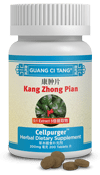
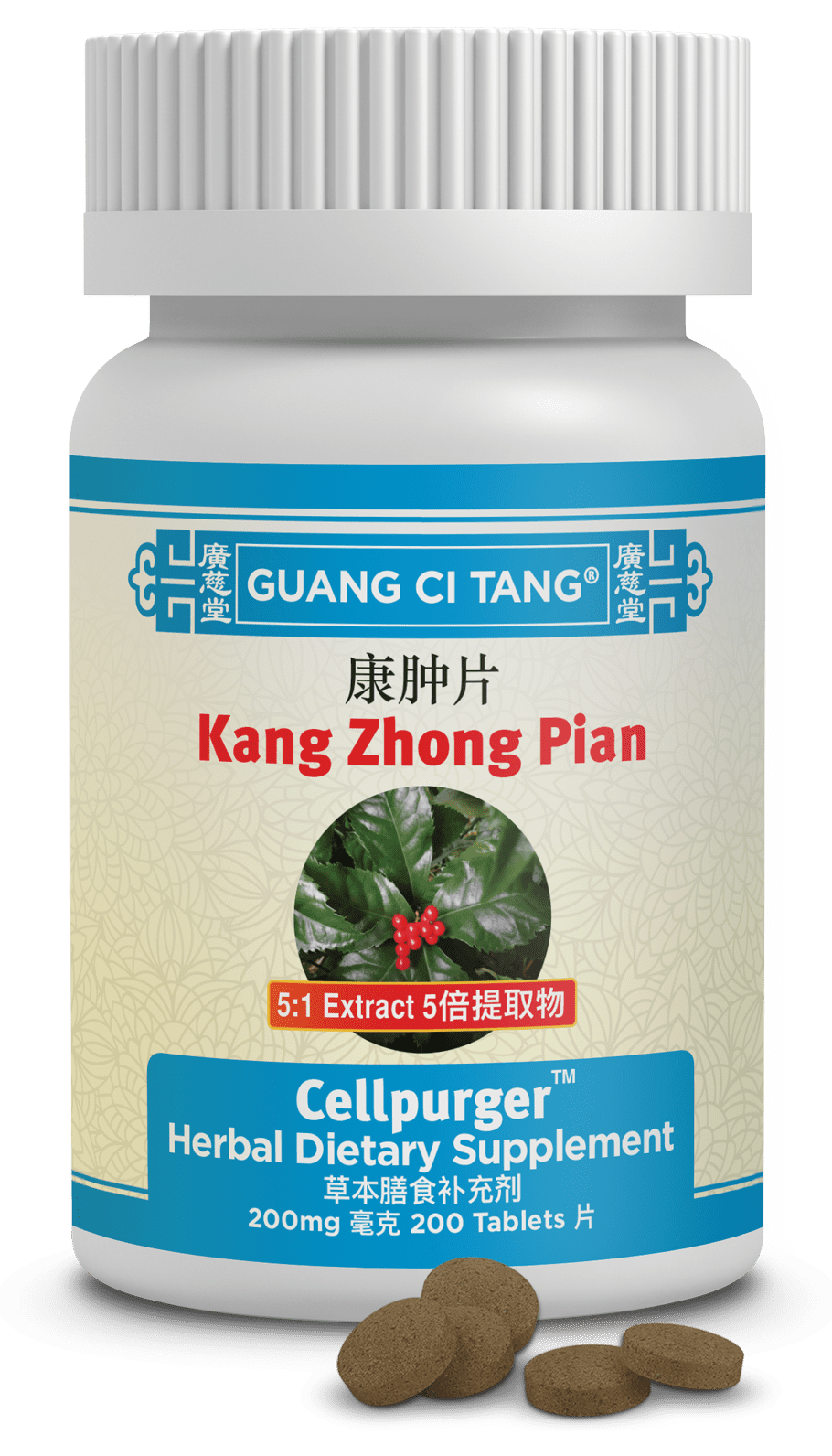
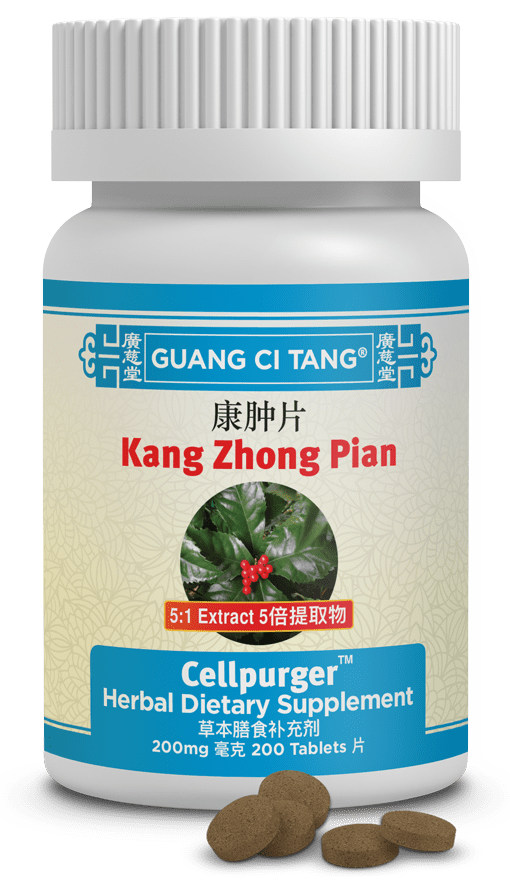
In Traditional Chinese Medicine (TCM), many Chinese herbs are reported beneficial in helping maintain cell balance. Cellpurger has a unique combination of the following Chinese herbs.
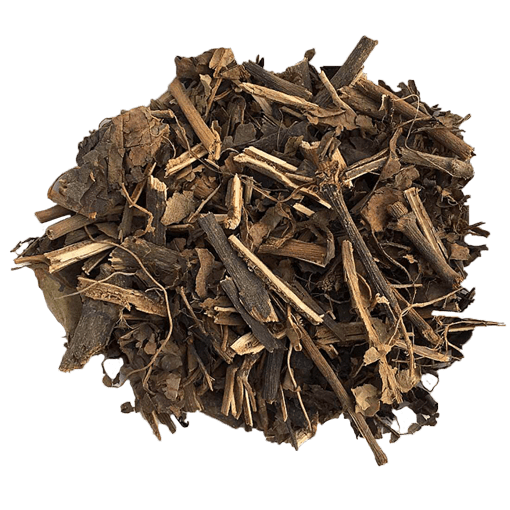
Zhong Jie Feng (Herba Sarcandrae): Sarcandra has been used traditionally to disperse pathogenic wind, clear heat, remove blood stasis, and cools the blood.
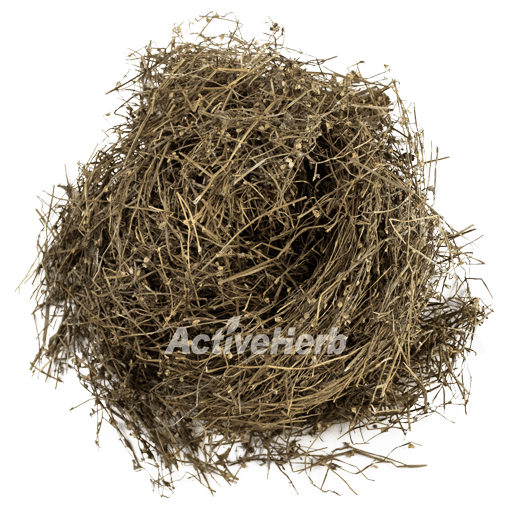
Ban Zhi Lian (Herba Scutellariae Barbatae) clears heat, resolves toxicity and disperses the blood stasis.
 Shi Jian Chuan (Chinese Sage Herb) invigorates the blood, disperses stasis, clears heat, and disperses lumps.
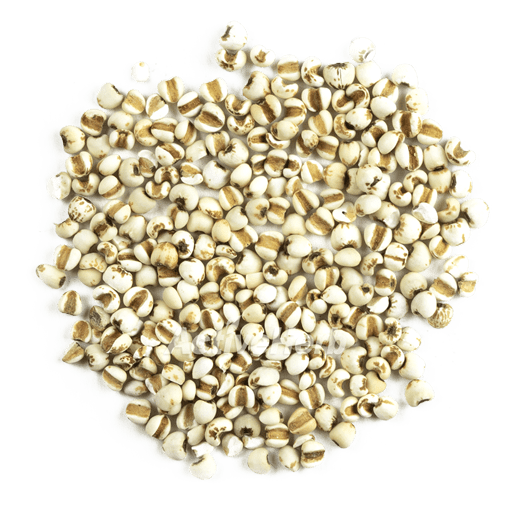
Yi Yi Ren (Coix Seed, Job's Tears) strengthens the Spleen and leaches out dampness, removes numbness, clears heat, and expels pus.
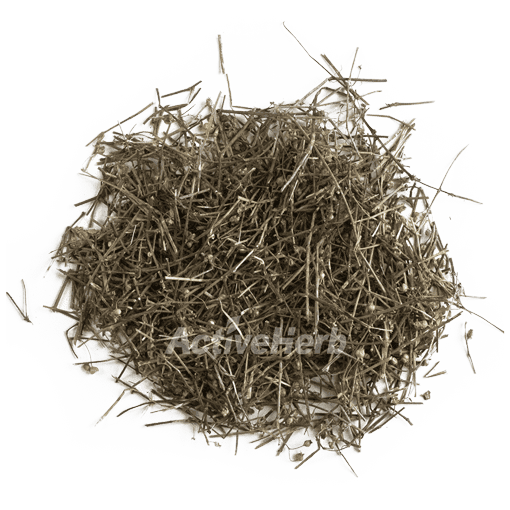
Bai Hua She She Cao (Snake Tongue Grass) clears heat, resolves toxicity, and invigorates the blood.
Qi Ye Yi Zhi Hua (Zao Xiu, Chong Lou, Paris Root) clears heat and resolves toxicity.
| English Name | Latin | Pinyin |
|---|---|---|
| Sarcandra glabra whole plant | Sarcandra glabra | Zhong Jie Feng |
|
||
| Barbed skullcap whole plant | Scutellaria barbata | Ban Zhi Lian |
| Job's tears seed | Coix lacryma-jobi | Yi Yi Ren |
| Hedyotis whole plant | Hedyotis diffusa | Bai Hua She She Cao |
| Salvia chinensis whole plant | Salvia chinensis | Shi Jian Chuan |
| Herb-paris rhizome | Paris polyphylla | Chong Lou |
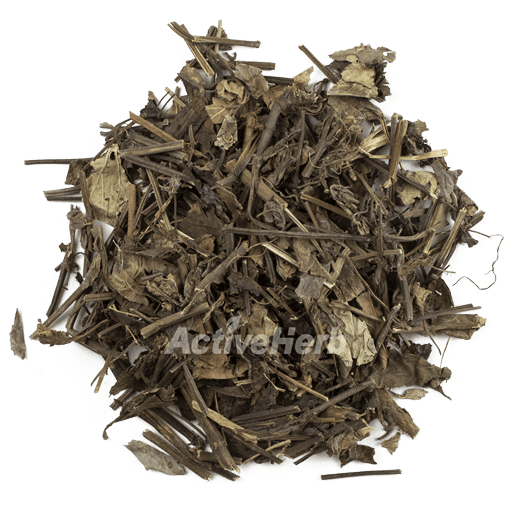
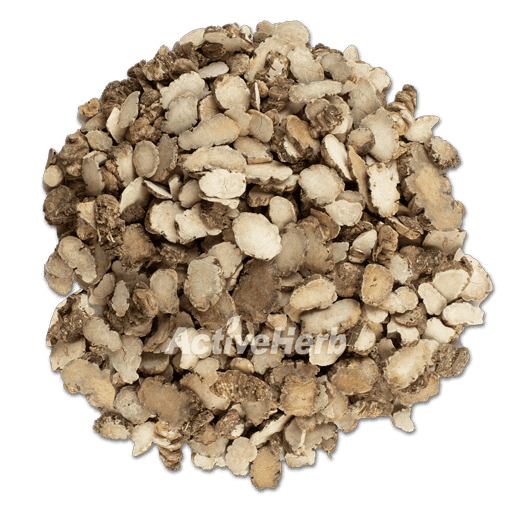
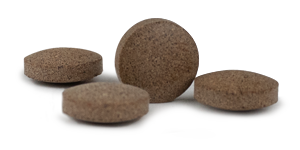
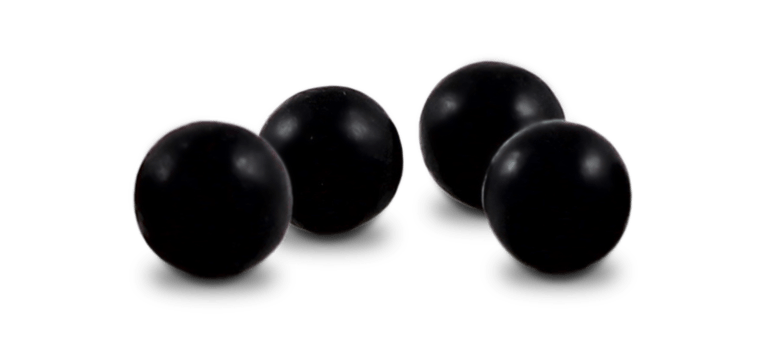
tablets are made with all natural herbs that are tested for authenticity, quality, and potency. A traditional water decoction is prepared with the herbs to reproduce the time-tested action of the formula, and this water decoction is concentrated with our proprietary technology to form a potent extract that is made into easily absorbed tablets, which are remarkably effective, easy to use, and safe. pills are made with all natural herbs that are tested for authenticity, quality, and potency. A traditional water decoction is prepared with the herbs to reproduce the time-tested action of the formula, and this water decoction is concentrated with our proprietary technology to form a potent extract that is made into classic pills, which are remarkably effective, easy to use, and safe.
The tablets are produced by Guang Ci Tang® in our state of the art cGMP-certified facility and imported in accordance with U.S. FDA guidelines. When you choose Guang Ci Tang® products, you are taking advantage of a wonderful fusion of science and tradition that incorporates the highest standards in the field of Chinese medicine today.
Please note that our tablets may appear neutral in finishing and a little brittle. You may observe a tiny bit of fine powder at the bottom of your bottle and occasionally one or a couple of broken tablets after transportation. This is because unlike other manufacturers, our tablets are not coated as part of our effort to minimize the use of excipients and to make them as pure as possible. These tablets can also be easily dissolved in hot water to serve as tea.
The pills are produced by Guang Ci Tang® in our state of the art cGMP-certified facility and imported in accordance with U.S. FDA guidelines. When you choose Guang Ci Tang® products, you are taking advantage of a wonderful fusion of science and tradition that incorporates the highest standards in the field of Chinese medicine today.
Pure

Potent
Proven
- True 5:1 concentration
- Double the strength of regular brands
- Minimal fillers and binders
- No pharmaceuticals or dyes
- Comprehensive lab testing (e.g., heavy metals,etc.)
- Made in a cGMP certified facility
- Unbeatable value
- American Brand
- Safely used in the USA since 1995
Check for an independent US lab test report.

Youngain™ is closely related to You Gui Pian and YanVive™ in nourishing kidney Yang. Youngain™ is the strongest.