


 ADD TO CART















| was: | |
| save: | |
ADD TO CART
In Traditional Chinese Medicine (TCM), the Heart controls the Blood and stores Shen (the Spirit), and the Spleen absorbs the nutrients from food and transports them to the Blood. When the Heart function is weak, one may develop signs that include Blood deficiency, poor sleep, mental fogginess, and a pale complexion. When the Spleen function is weak, digestion is impaired, and consequently, the Blood is not well nourished and may not hold well in the blood vessels.
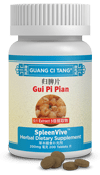
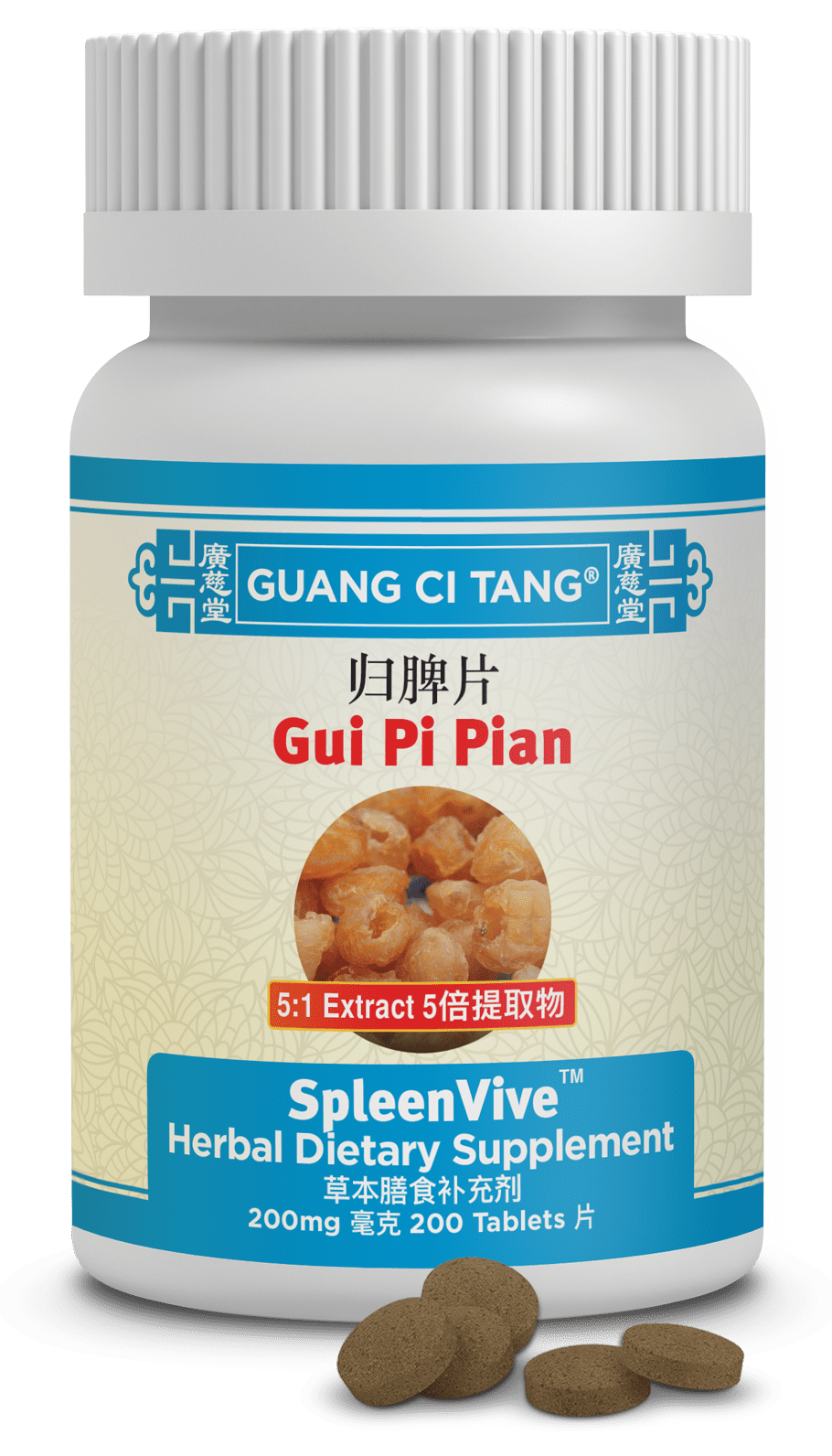
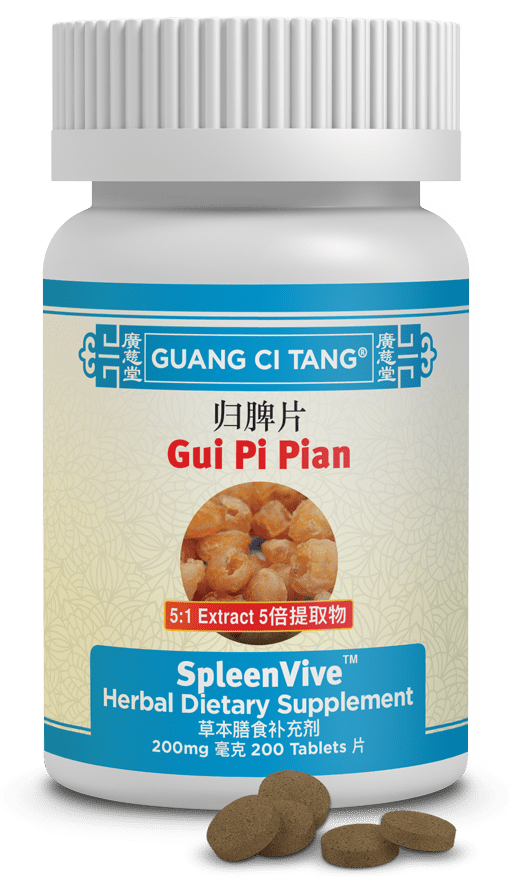
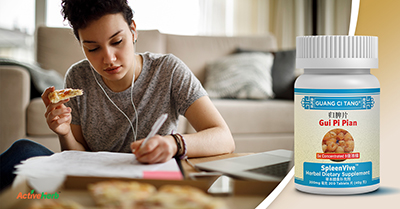 Gui Pi Pian (Wan) strengthens the Spleen and the Heart, nourishes Blood and Qi, and calms the mind.† How it acts in modern biochemical terms is not yet understood. Gui Pi Wan has been indicated in China Pharmacopoeia for use in the case of Heart and Spleen deficiency, whose presentation may include these several characteristic signs: 1. trouble in staying focused and easily forgetting what is learned; 2. not falling asleep easily; 3. lack of energy with a pale face; 4. loss of appetite. This TCM pattern of deficiency is often observed in those who study hard (students) or overwork and feel overwhelmed.
| English Name | Latin | Pinyin |
|---|---|---|
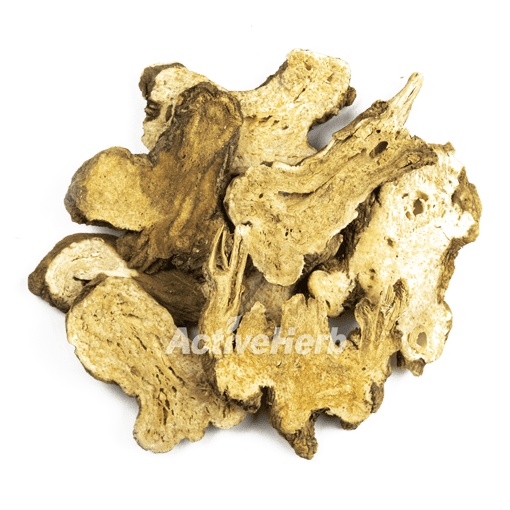
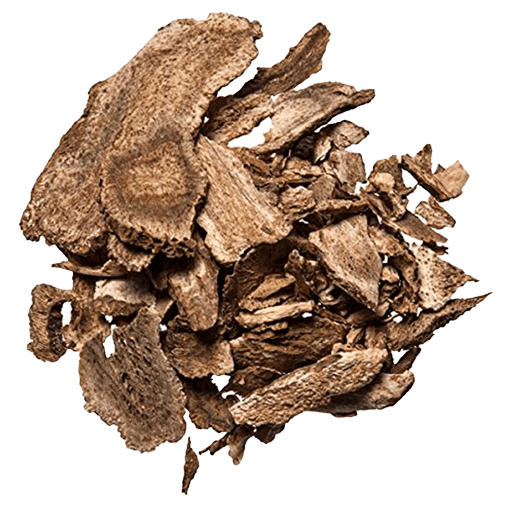
| Bai-zhu atractylodes rhizome | Atractylodes macrocephala | Bai Zhu |
|
||
| Poria sclerotium | Poria cocos | Fu Ling |
| Polygala root | Polygala tenuifolia | Yuan Zhi |
| Longan fleshy seed cover | Dimocarpus longan | Long Yan Rou |
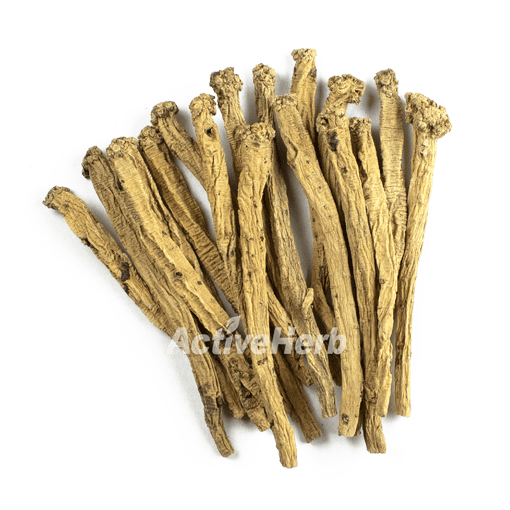
| Dong quai root | Angelica sinensis | Dang Gui |
| Codonopsis root | Codonopsis pilosula | Dang Shen |
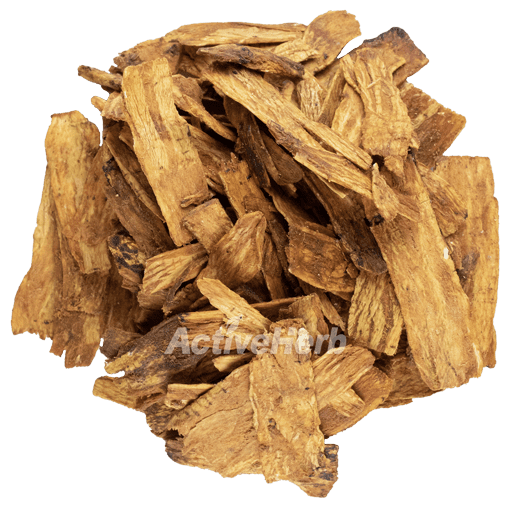
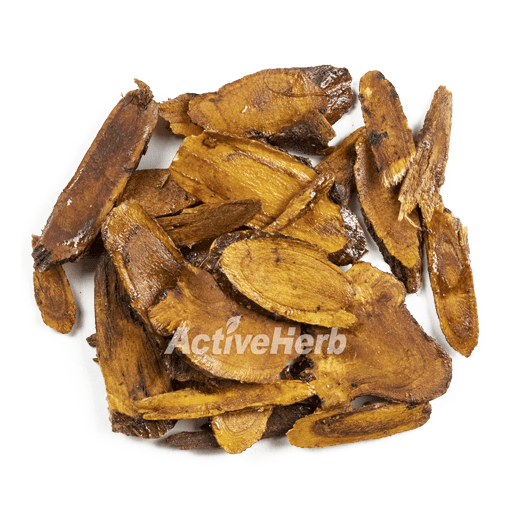
| Astragalus honey-roasted root | Astragalus membranaceus | Zhi Huang Qi |
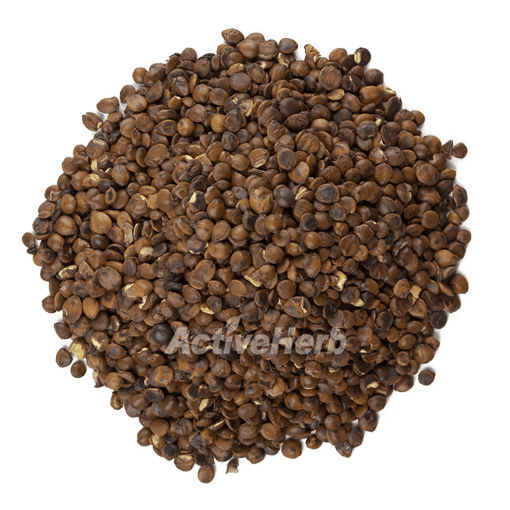
| Jujube seed | Ziziphus jujuba | Suan Zao Ren |
| Chinese licorice honey-roasted root & rhizome | Glycyrrhiza uralensis | Zhi Gan Cao |
| Costus root | Saussurea costus | Mu Xiang |
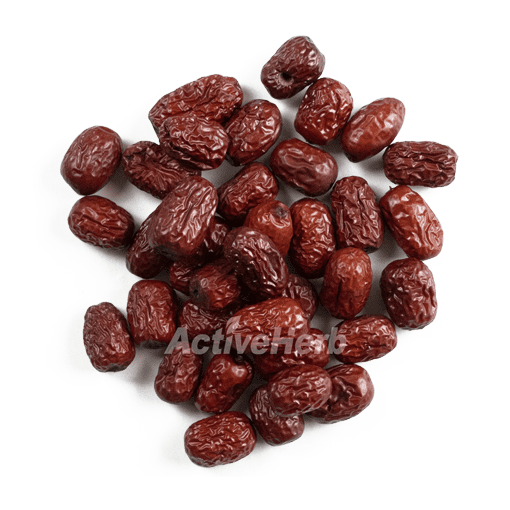
| Jujube fruit | Ziziphus jujuba | Da Zao |
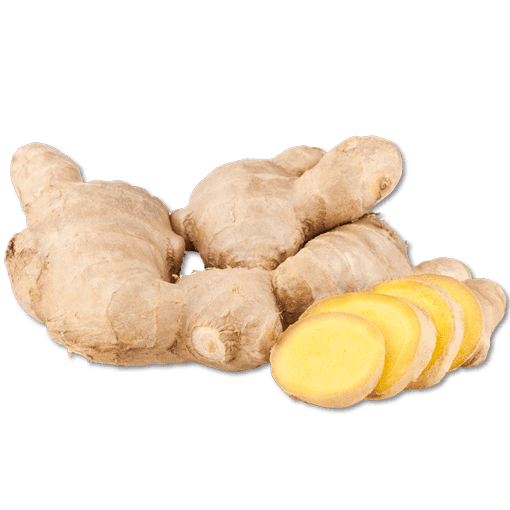
| Ginger fresh rhizome | Zingiber officinale | Sheng Jiang |
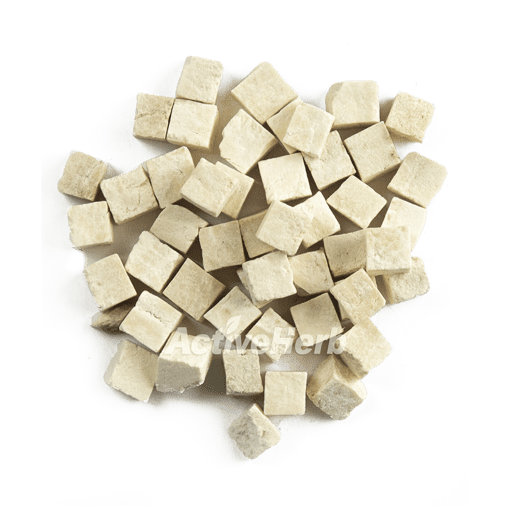
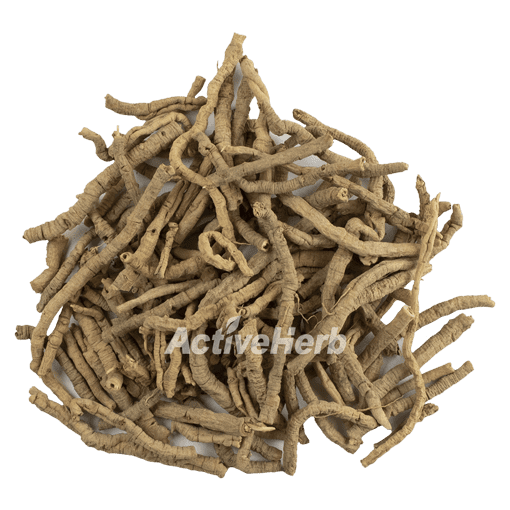
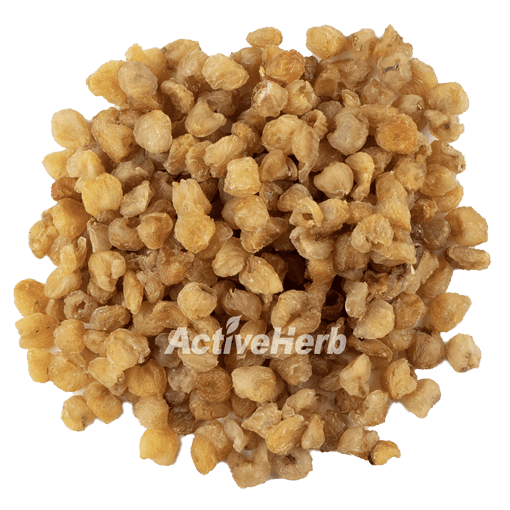
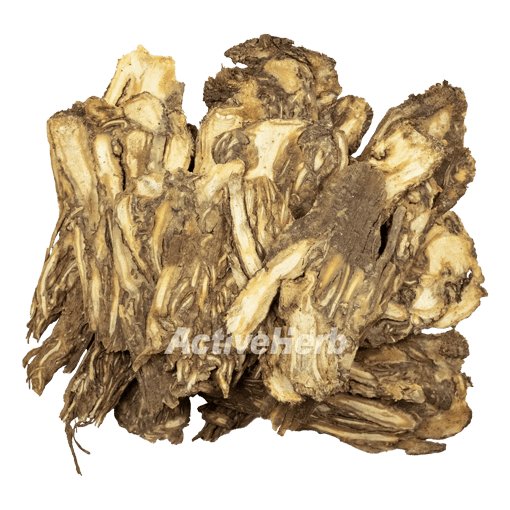
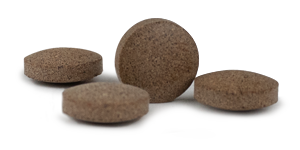
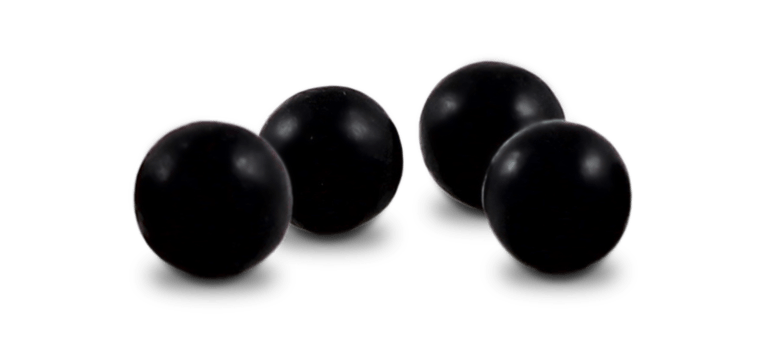
tablets are made with all natural herbs that are tested for authenticity, quality, and potency. A traditional water decoction is prepared with the herbs to reproduce the time-tested action of the formula, and this water decoction is concentrated with our proprietary technology to form a potent extract that is made into easily absorbed tablets, which are remarkably effective, easy to use, and safe. pills are made with all natural herbs that are tested for authenticity, quality, and potency. A traditional water decoction is prepared with the herbs to reproduce the time-tested action of the formula, and this water decoction is concentrated with our proprietary technology to form a potent extract that is made into classic pills, which are remarkably effective, easy to use, and safe.
The tablets are produced by Guang Ci Tang® in our state of the art cGMP-certified facility and imported in accordance with U.S. FDA guidelines. When you choose Guang Ci Tang® products, you are taking advantage of a wonderful fusion of science and tradition that incorporates the highest standards in the field of Chinese medicine today.
Please note that our tablets may appear neutral in finishing and a little brittle. You may observe a tiny bit of fine powder at the bottom of your bottle and occasionally one or a couple of broken tablets after transportation. This is because unlike other manufacturers, our tablets are not coated as part of our effort to minimize the use of excipients and to make them as pure as possible. These tablets can also be easily dissolved in hot water to serve as tea.
The pills are produced by Guang Ci Tang® in our state of the art cGMP-certified facility and imported in accordance with U.S. FDA guidelines. When you choose Guang Ci Tang® products, you are taking advantage of a wonderful fusion of science and tradition that incorporates the highest standards in the field of Chinese medicine today.
Pure

Potent
Proven
- True 5:1 concentration
- Double the strength of regular brands
- Minimal fillers and binders
- No pharmaceuticals or dyes
- Comprehensive lab testing (e.g., heavy metals,etc.)
- Made in a cGMP certified facility
- Unbeatable value
- American Brand
- Safely used in the USA since 1995
Check for an independent US lab test report.

Youngain™ is closely related to You Gui Pian and YanVive™ in nourishing kidney Yang. Youngain™ is the strongest.
Gui Pi Tang, Restore the Spleen Decoction, Kihi-to